
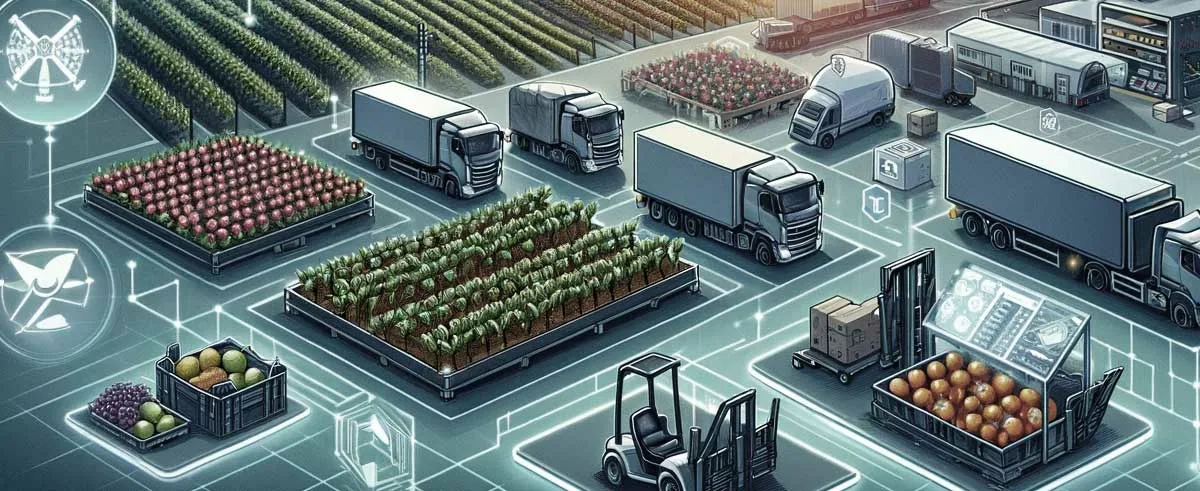
Food producers and distributors are investing heavily in advanced supply chain technologies designed to improve efficiency, reduce waste, and strengthen product traceability. Industry leaders say modern supply chain management is becoming increasingly important as consumer expectations and regulatory requirements evolve.
Digital platforms allow organizations to monitor inventory, transportation, and production processes in real time. This visibility helps businesses identify inefficiencies and respond more effectively to disruptions.
Sustainability remains a key focus area. Companies are implementing programs aimed at reducing food waste, improving packaging efficiency, and strengthening responsible sourcing practices. Consumers are increasingly interested in transparency regarding how products are produced and delivered.
Artificial intelligence and analytics tools are helping organizations forecast demand and optimize inventory management. These technologies can improve decision-making while reducing operational costs.
Experts believe supply chain innovation will continue shaping the future of the food industry. Businesses that successfully combine efficiency, sustainability, and transparency may strengthen customer trust and achieve stronger long-term growth.
Market analysts expect continued investment in digital tools and logistics modernization as organizations seek competitive advantages in rapidly changing markets.